Executive summary
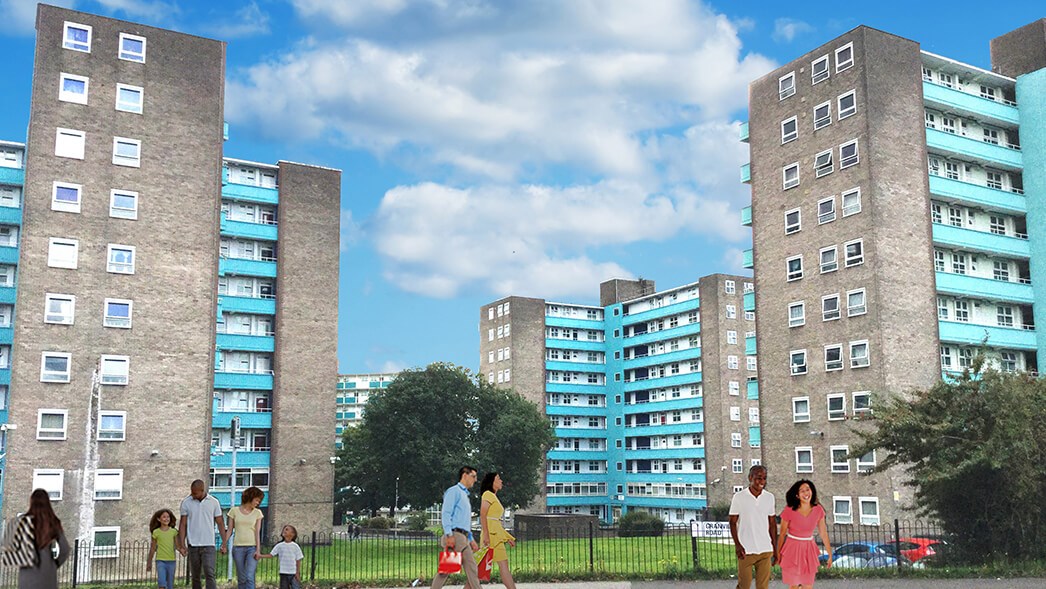
Leeds City Council have ambitions to improve air quality in Leeds and reduce the City’s carbon emissions, whilst also providing their council tenants with more reliable and lower cost heating.
Leeds Pipes Study
Lorem Ipsum
Leeds City Council have ambitions to improve air quality in Leeds and reduce the City’s carbon emissions, whilst also providing their council tenants with more reliable and lower cost heating.
With funding assistance from West Yorkshire Combined Authority, Leeds City Region Enterprise Partnership and the European Regional Development Fund (ERDF), the council have invested £35m into connecting 1,983 properties and numerous businesses to an efficient district heating network.
We are providing the design and build services for the solution, and the operation and maintenance services for the HIUs within the multi storey flats for 5 years and the district heating network and energy centres for 12 years. Our solution will reduce carbon emissions by 22,000 tonnes per year, and reduce fuel bills by between 10-25%.
We designed a solution whereby an energy centre at Cross Green would harness steam from the Veolia operated Recycling and Energy Recovery Facility (RERF).
This converted the steam into low temperature hot water and feeding it through a 16.5km district heating network to supply heat and hot water for 26 apartment blocks and businesses. The scheme also includes the construction of an additional energy centre at Saxton Gardens that will act as an energy top-up and back-up to provide additional resilience for the network.
The project was initially procured as two separate schemes, and as the winning tenderer for both, we were able to create a hybrid solution.
We analysed the concept design created by the client’s design team which initially consisted of two independent district heating networks with an energy centre at Cross Green containing equipment to utilise the waste steam from the RERF and with additional equipment to function as back-up, along with various satellite back-up boiler houses along the networks.
We looked at the two proposals together to identify areas to generate greater network efficiency and financial savings.
Once under contract, we agreed design changes that combined the two networks into one singular network. This featured a main energy centre at Cross Green and a resilience energy centre at Saxton Gardens, taking away the need to include additional plant rooms. This reduced the capex of the project by 12.5%.

Additional network resilience through a fully equipped back-up energy centre
The Cross Green energy centre will act as the interface between the RERF and the Leeds PIPES heat network and is equipped with distribution pumps, two 100,000 litre thermal stores and associated controls systems. It will convert the 20MW of steam from the RERF into Low Temperature Hot Water which will be pumped along the transmission line, passing through to the Saxton Gardens energy centre.
The Saxton Gardens energy centre will provide resilience to the network. The location of the Saxton Gardens energy centre is further along the network than some of the identified future connections, so we devised a system to allow a back-feed to serve these future zones should the Cross Green energy centre go offline.
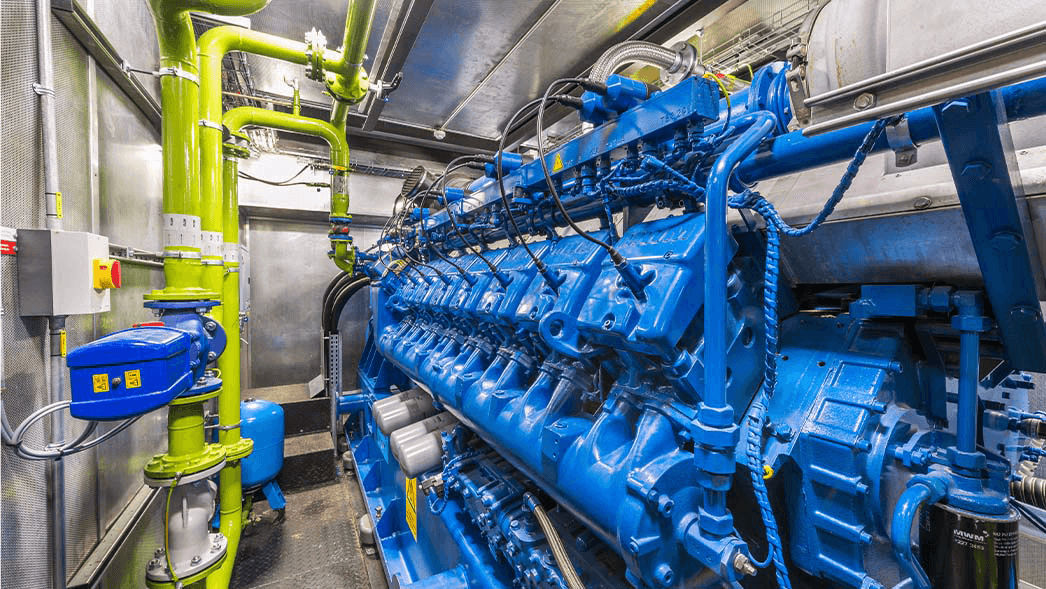
We completed a load analysis of the minimum and peak energy demands to ensure the Saxton Gardens energy centre is fully equipped to manage the peak 33MW of consumption, and provide spare equipment should there be any failures. The equipment includes four 11MW gas-fired boilers, two 750kW modular gas boilers, four expansion vessels, four distribution pumps and a 20m high multi-core chimney.
Our design has been developed using specialist collaborative 3D modelling of the two energy centres to identify and resolve any issues with the operation of the equipment prior to construction.
We worked with planning consultants, Turley to assist in the smooth attainment of planning permissions, and organising engagement events with the local community.
Due to the scheme being partially funded by the ERDF, we have to abide by specific timescales agreed with the funding body and so it is essential that we meet these goals.
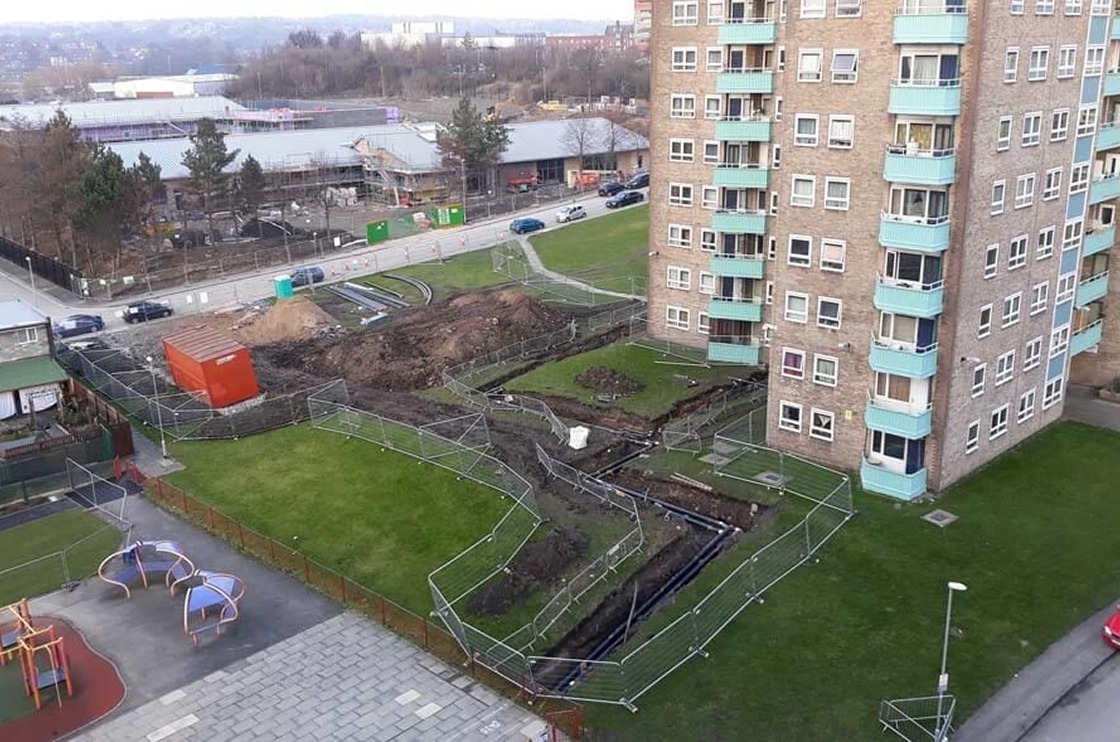
The council has adopted Local Development Order 3 (LDO), which gives district heating permitted development rights over certain parcels of council and partner owned land. We routed the pipework in LDO designated land to decrease timescales as planning permissions were not required. We completed ground radar and buried surveys which highlighted any areas to avoid, allowing us to design a pipework path that could be implemented as smoothly as possible.
The project was initially procured as two separate schemes, and as the winning tenderer for both, we were able to create a hybrid solution.
We analysed the concept design created by the client’s design team which initially consisted of two independent district heating networks with an energy centre at Cross Green containing equipment to utilise the waste steam from the RERF and with additional equipment to function as back-up, along with various satellite back up boiler houses along the networks.
We looked at the two proposals together to identify areas to generate greater network efficiency and financial savings.
Once under contract, we agreed design changes that combined the two networks into one singular network. This featured a main energy centre at Cross Green and a resilience energy centre at Saxton Gardens, taking away the need to include additional plant rooms. This reduced the capex of the project by 12.5%.
Lorem ipsum dolor sit amet, consectetur adipiscing elit, sed do eiusmod tempor incididunt ut labore et dolore magna aliqua. Ut enim ad minim veniam, quis nostrud exercitation ullamco laboris nisi ut aliquip ex ea commodo consequat.
Download the Case Study