The University of Liverpool

Powering a sustainable campus

This major infrastructure project transformed the University of Liverpool’s energy network, connecting campus buildings to a low-carbon CHP energy centre through an expanding district heating system.

Executive summary

Working in partnership with the University, we delivered a combined heat and power (CHP) energy centre alongside a campus-wide district heating network, creating a state-of-the-art sustainable energy solution capable of meeting the energy, emission and environmental challenges of the 21st century. The integrated energy infrastructure contributes significantly towards the University's carbon reduction targets while providing robust power and heating solutions for the campus for years to come.
What we’ve achieved with this project

£2.8m

contract value

1,000m

of district heating pipework installed in phase 1

15

O&M contact

Project overview

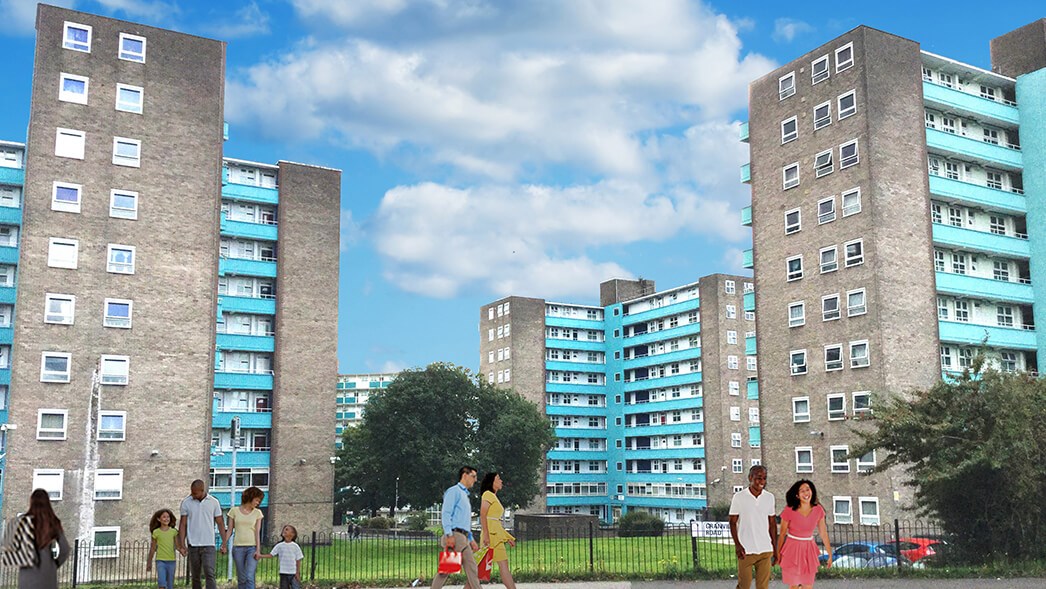
With more than 22,000 students and 4,700 staff, the University of Liverpool required a modern energy infrastructure capable of supporting future growth while helping to deliver its carbon reduction commitments. To achieve this, the University invested in a major programme centred on a new CHP energy centre and the expansion of its district heating network, creating a low-carbon, efficient and resilient energy solution across the campus.

Serving a mix of historic and modern buildings, the project was carefully planned and delivered to minimise disruption to the live university environment and surrounding city centre while maintaining day-to-day operations throughout construction.

Vital solution

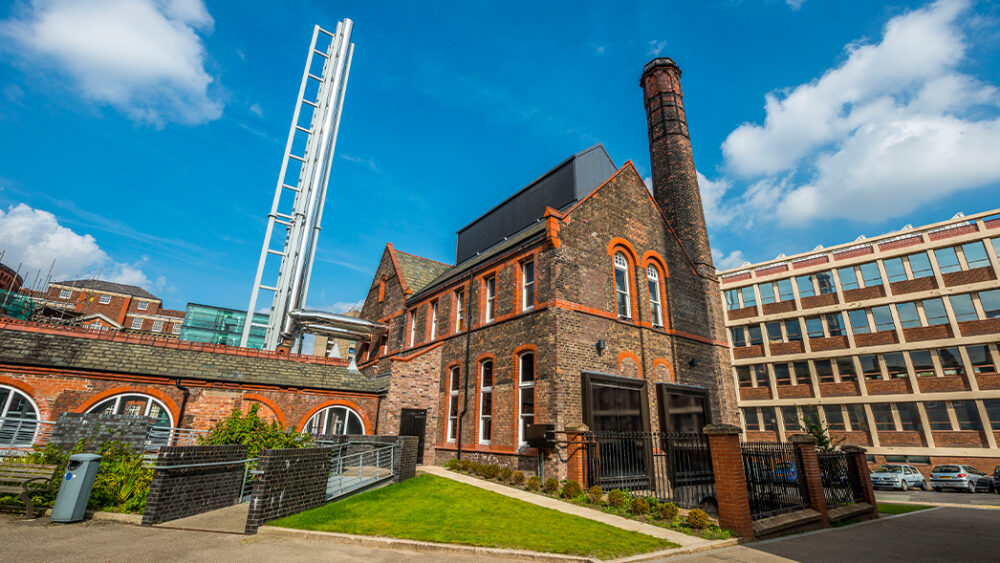
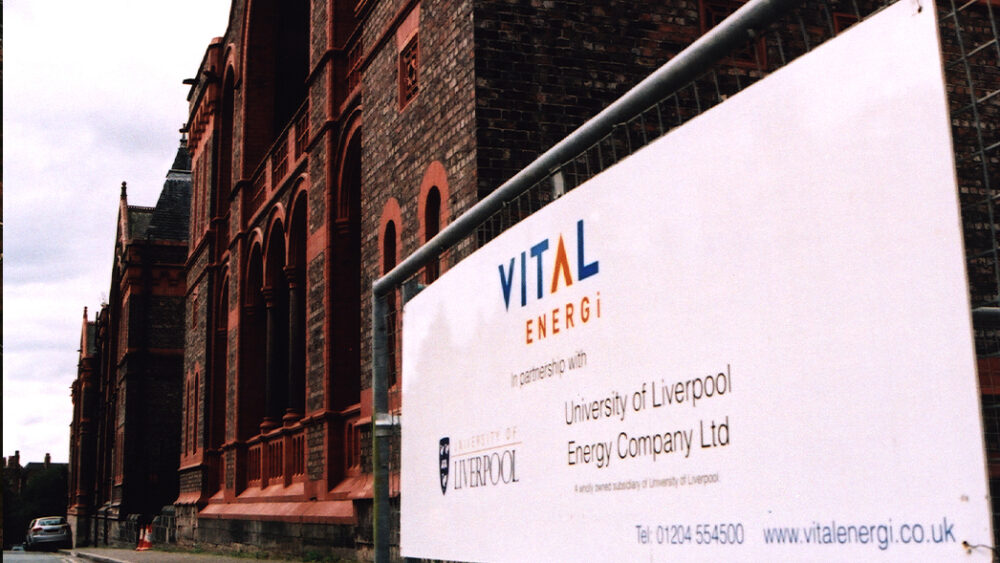
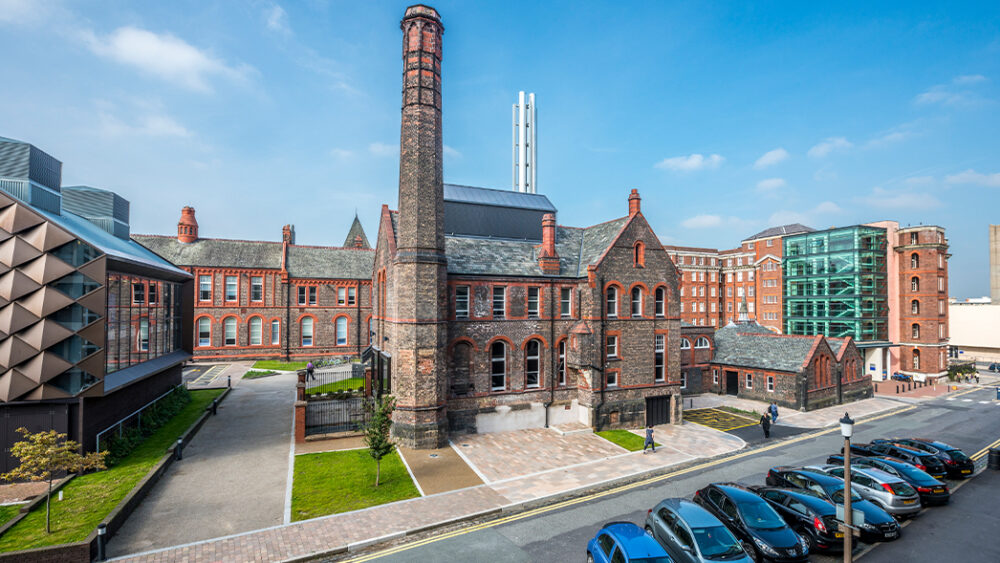
We transformed the derelict Grade II listed former mortuary into a modern CHP energy centre through a combination of creative design, outstanding engineering and close collaboration with the University's project team.

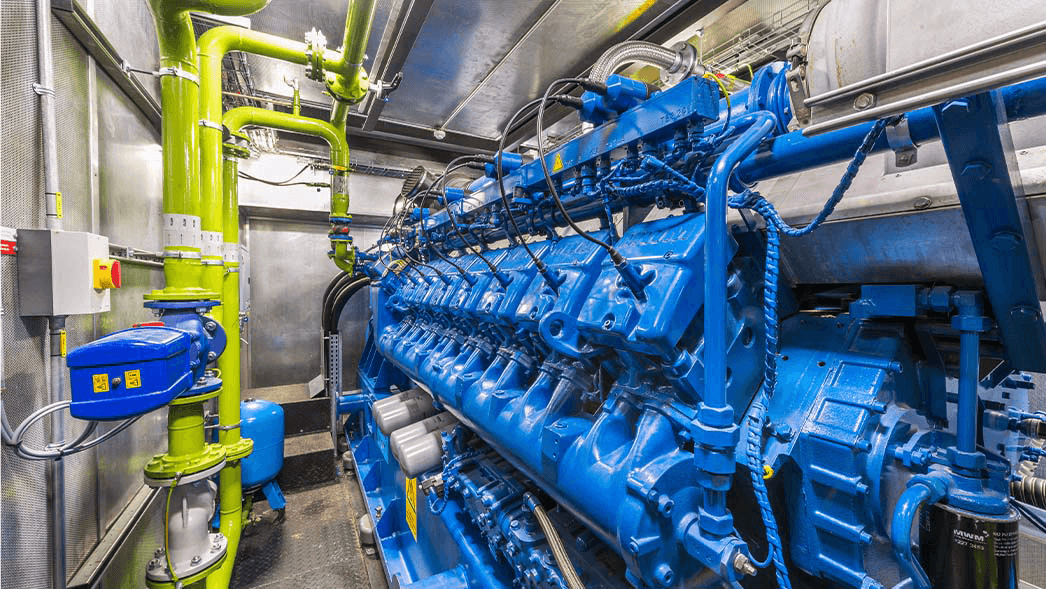
To accommodate the heavy plant equipment while protecting the historic structure, Vital Energi designed a three-floor steel frame, effectively creating a "building within a building" capable of supporting two 23-tonne CHP engines while requiring minimal alterations to the original fabric of the 125 year old building.

Preserving the building’s heritage

The project was initially procured as two separate schemes, and as the winning tenderer for both, we were able to create a hybrid solution.

Extensive restoration works were undertaken to preserve the building’s heritage, including stabilisation of the original chimney and improvements to ventilation through the installation of a prefabricated penthouse louvre section. Noise reduction was also a key consideration, with CHP engines housed within acoustic enclosures to maintain a peaceful environment for students and staff.

District heating upgrades

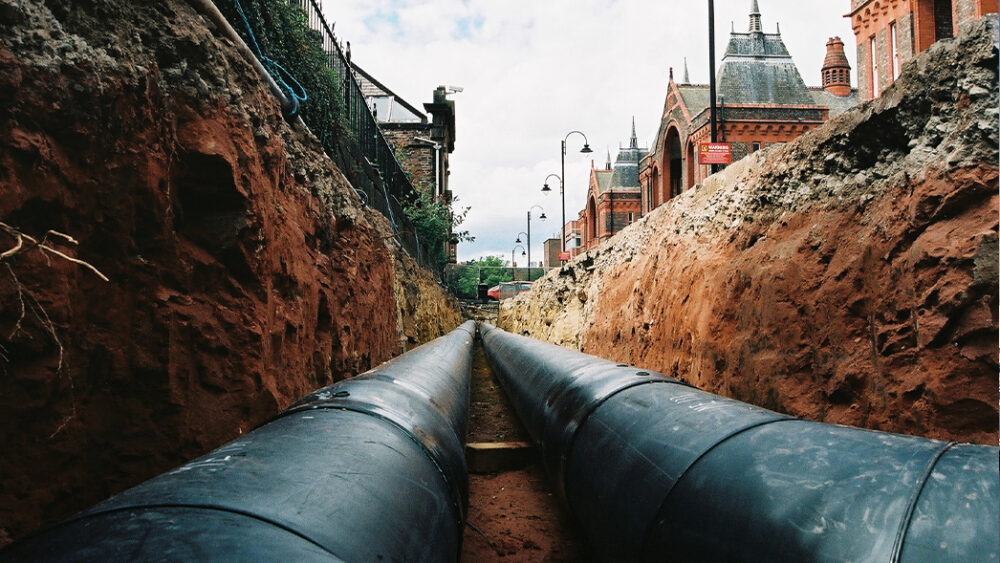
Alongside the energy centre, we delivered the University’s district heating network, installing over 1,000 metres of pipework during the initial phase to connect campus buildings to the CHP energy centre. Subsequent phases expanded the network further, with more than 900 additional metres of district heating pipework installed to serve key buildings including the Harold Cohen Library, CTL Building, Architecture Building and new Bioscience facilities.

To maximise the lifespan and performance of the network, we provided pipe sizing design services, future-proofing advice and installed its Band Muff fusion welded joint system, helping increase network life expectancy to more than 50 years. The University also awarded us a 15-year maintenance contract for the district heating network.

Project details

Complete campus energy solution

The combination of a CHP energy centre and campus-wide district heating network created an integrated, low-carbon energy infrastructure capable of meeting the University’s long-term energy requirements.

Supporting carbon reduction targets

The project supports the University’s commitment to reducing carbon emissions through the adoption of efficient energy generation and distribution technologies.

Preserving a historic landmark

By transforming a derelict Grade II listed mortuary into a modern energy centre, the project safeguarded an important historic building while giving it a new purpose at the heart of the University’s energy strategy.

Future-proofing campus infrastructure

Through network expansion, long-term maintenance and strategic design support, the University now benefits from resilient energy infrastructure capable of supporting future campus growth.

Delivering safely and efficiently

The programme was delivered to challenging timescales and budget requirements while achieving over 48,000 accident-free working hours and minimising disruption to university operations.

Got a similar project?

Lorem ipsum dolor sit amet, consectetur adipiscing elit, sed do eiusmod tempor incididunt ut labore et dolore magna aliqua. Ut enim ad minim veniam, quis nostrud exercitation ullamco laboris nisi ut aliquip ex ea commodo consequat.

Download the Case Study

Talk to us about your project

Contact Form