Glenrothes Energy Network

Sustainable heat for communities

Delivering low-carbon heat to homes, businesses and public buildings through a town-wide district heating network.

Executive summary

The Glenrothes Energy Network was an exciting opportunity to take excess heat from the nearby RWE biomass plant and convert it into usable low temperature hot water which is transported to customers through a buried district heating network.

What we’ve achieved with this project

£12.9m

contract value

6.2km

district heating pipe installed

15%

heat loss reduction

Project overview

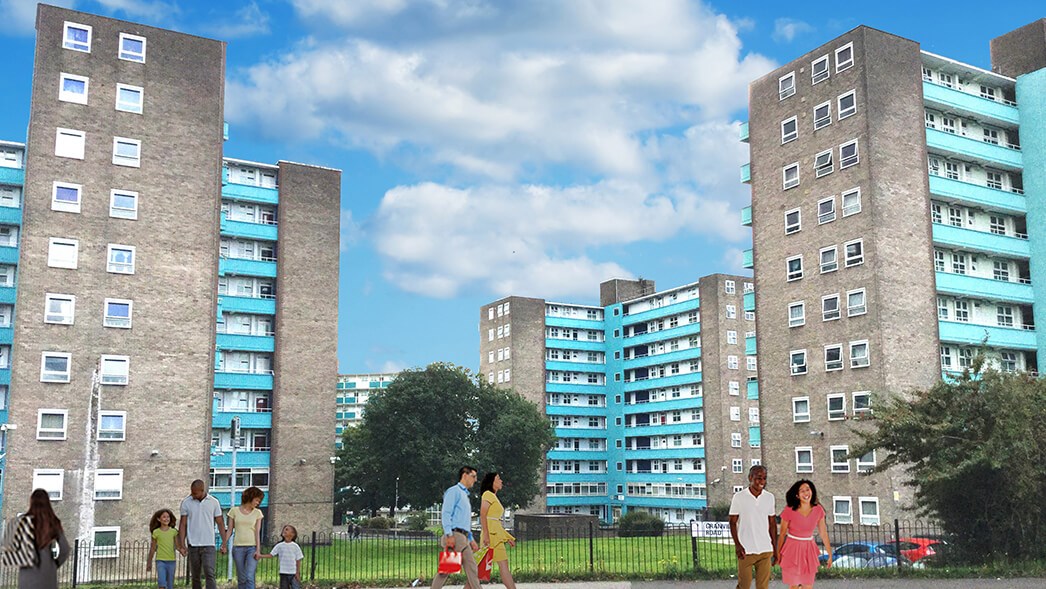
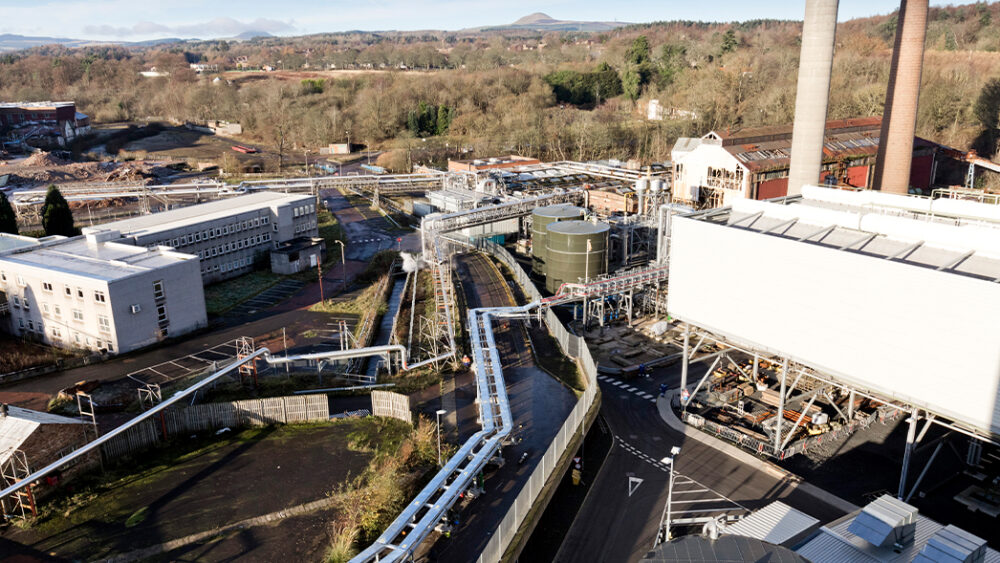
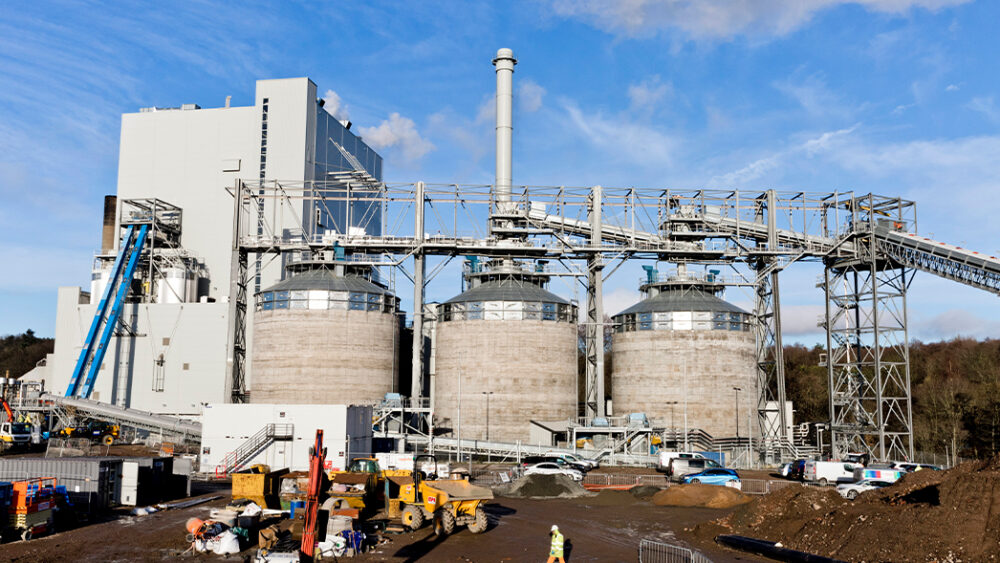
The Glenrothes Energy Network is a partnership between Scottish Government, Fife Council and RWE which utilises steam generated, as a by-product of electrical generation at the Markinch Biomass CHP Plant, to deliver low-carbon heat to houses, businesses and public sector buildings within the Glenrothes town centre.

The project makes a significant contribution to reducing carbon emissions in Scotland and received funding from the Scottish Government’s Low Carbon Infrastructure Transition Project (LCITP).We won the contract to deliver the detailed design, and construction of the energy centre and district heating network, creating an ambitious and challenging delivery programme which would see the “Heat On” date achieved in advance of the funding deadline.

Vital solution

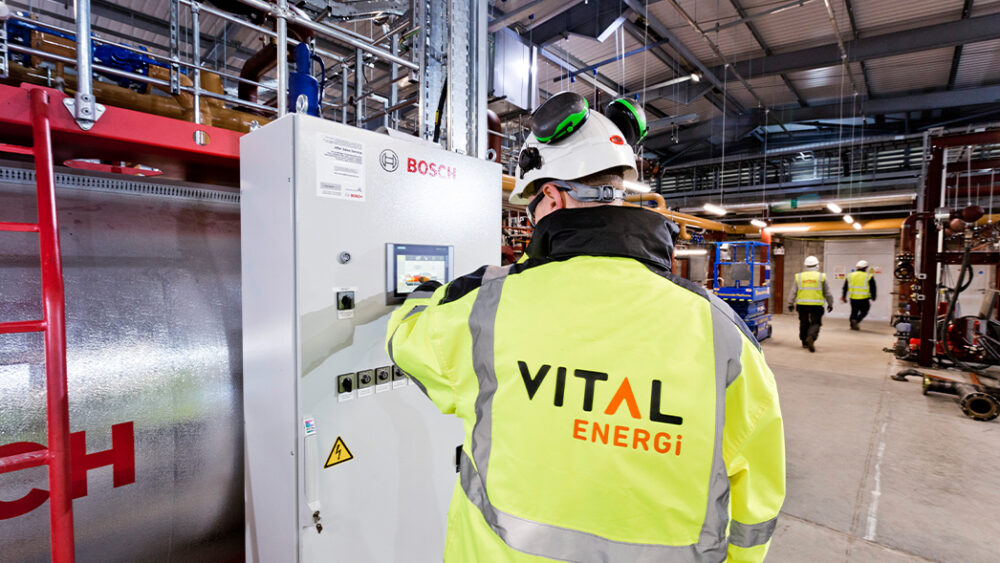
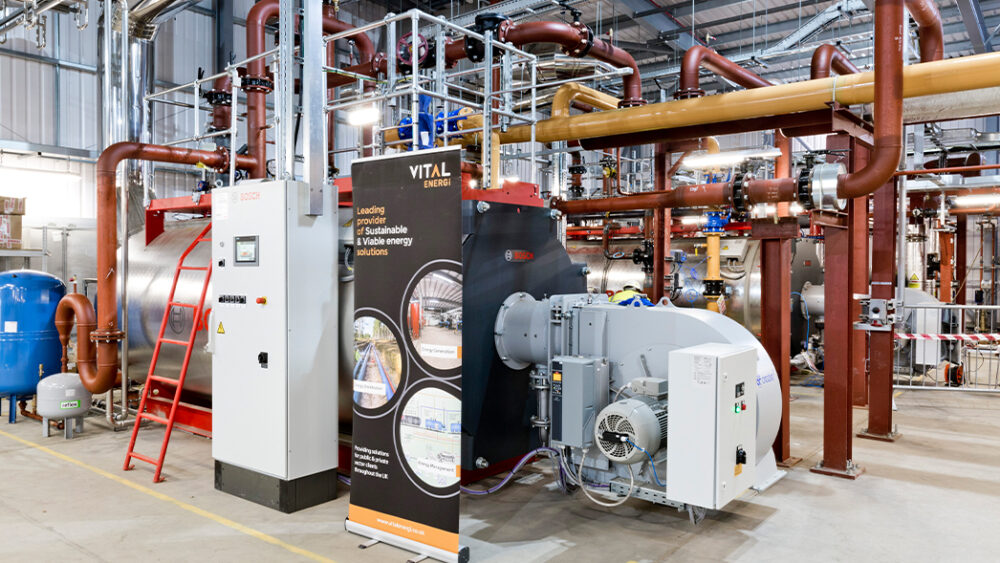
This project saw us work with the clients’ professional team to design, supply and deliver the energy centre, 6.2km district heating network and high voltage ducts with cabling to be installed during future phases. The solution needed to fully integrate with the 55MWe biomass CHP plant and connect a range of buildings which included businesses and blocks of housing in the town centre.

It was clear from the outset that the Council’s priority was to minimise disruption. Working closely with the Council and our traffic management partner, we developed a strategy to effectively manage disruption and provide confidence to stakeholders. Measures included road closures, diversions, temporary traffic lights and give-way systems, with traffic management teams on hand whenever temporary measures were in place. One planning requirement was that a busy roundabout serving a popular local supermarket could not be closed. Through careful planning and alternative routing, we ensured access to this key route was maintained throughout the project.

Accelerating delivery through prefabrication

A big contribution to meeting the extremely tight programme came from our Pre-fabrication Department in Blackburn which was able to create all building connection skids. Additionally, connecting pipework was prefabricated where possible to minimise hot works in occupied council buildings.

Project Details

Delivering a robust, reliable and efficient energy system.

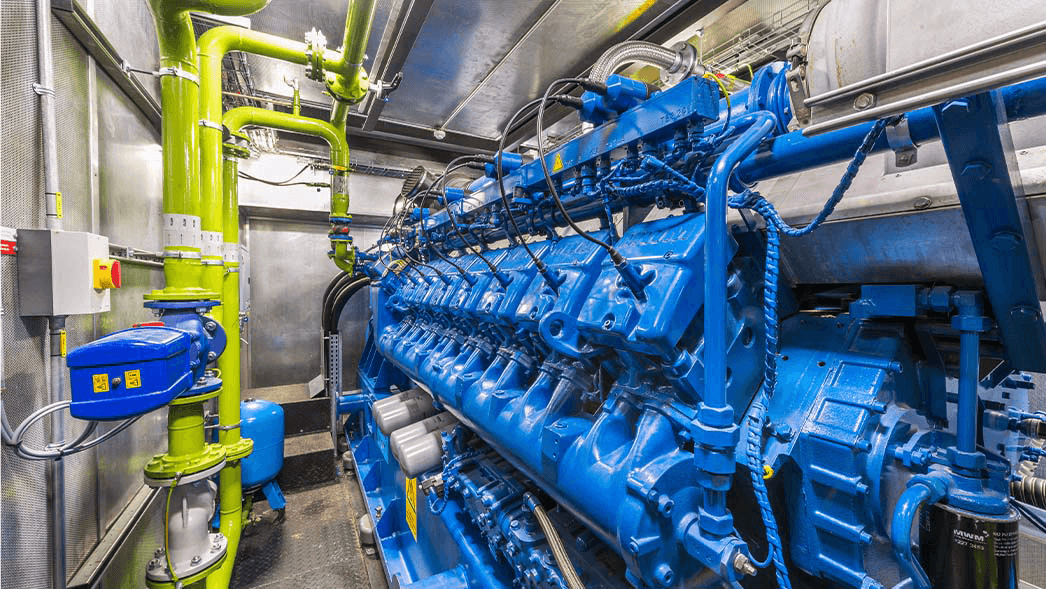
The Glenrothes Energy Network takes steam from the 55MWe RWE CHP biomass scheme which uses recovered wood and a small amount of virgin wood to generate steam, driving a turbine and generating electricity.

This facility generates carbon savings of approximately 250,000 tonnes per year. The new energy centre we built is capable of taking up to 4MW of heat for the heat network, with futureproofing measures in place to take a further 2MW in the future. In addition to this the scheme also has a backup heating system for added resilience and to ensure continuity of supply.

How we delivered the project to our clients timescale

One of the issues the project presented was that we would have to “break into” the existing power station services (steam, gas, condensate, demineralised water and trade effluent) to create the connection between the existing RWE power station and the new energy centre.

This could only be done during the power stations bi-annual maintenance shut down periods when the power station was not operating. The most challenging of these connections being the break-in to the DN500 fluid category 3 steam line which included extensive planning and verification by a third party notified body inspector. This phase of the project involved cutting a section out of the existing steam pipework and replacing it with a T section which would direct steam towards the energy centre. As this was a particularly important process, all welds were undertaken by a Class 1 welder and performed to American Society of Mechanical Engineers (ASME) standards.

This meant we would not only have to deliver an accelerated programme, but would also rearrange the order of delivery to take advantage of this twice-a-year opportunity. By liaising with the client and relying on our long-standing supply chain, we were able to re-order our project delivery schedule and perform all connecting works within the accelerated timescale.

Improving the energy centre design

We worked with the client’s professional team to enhance the energy centre, changing the structure from a post beam design to a steel portal structure. By doing this we were able to make significant cost savings by reducing the amount of steel used and the system proved quicker to install, which was a significant benefit given the challenging “heat on” date.

One issue facing the project delivery team was that the ground conditions were poor and necessitated an enhanced ground engineering piling solution which required implementation within the original project key dates.

Working to the highest standard to deliver and safe system

As the energy centre utilises high pressure steam it was essential that the primary network was constructed to the highest standards. RWE specified pipework to ASME specifications to match the standard of pipework in the power station to ensure the services connecting back to the power station were equal in quality to those in the existing power station process systems.

An additional aspect which our design and installation team had to accommodate was, because the energy centre operated with high temperature steam (185oC) and LTHW (105oC), all associated pipework had to be analysed using Caesar II stress analysis software to ensure that the additional expansion due to elevated temperatures was controlled to ensure stresses on pipework and plant were within acceptable limits.

Delivering a multi-utility solution

To guarantee progress, and flexibility of programme we have developed a delivery method which utilises working zones. By creating between 5-8 simultaneous constructions civil teams, working with multiple district heating installation teams we can ensure constant progress and should there be a delay in one zone, the team can move to another and works continue.

This in-house expertise extends to our pre-fabrication department, based in Blackburn, which produced the 5 customer interface connections with plans to produce more for the next phase. By undertaking this in house we have maximum control over the quality, scheduling, timing of delivery and it also brings the added bonus of reducing hot works on site, which brings multiple health and safety benefits.

In addition to the below-ground pipework we also installed the primary above ground district heating pipework to the plate heat exchangers and the above ground secondary pipework from the plate heat exchangers to the connection points on the building’s heating and hot water systems. In total we installed packaged customer heat substations and associated ancillary plant work to 4 locations with a further 4 planned for the future phase.
Got a similar project?

Lorem ipsum dolor sit amet, consectetur adipiscing elit, sed do eiusmod tempor incididunt ut labore et dolore magna aliqua. Ut enim ad minim veniam, quis nostrud exercitation ullamco laboris nisi ut aliquip ex ea commodo consequat.

Download the Case Study

Talk to us about your project

Contact Form