Manchester Civic Quarter Heat Network

City wide heat network

A £20m+ low-carbon energy infrastructure project delivering efficient heat and power to some of Manchester’s most iconic civic buildings.

Executive summary

The Manchester Civic Quarter Heat Network (CQHN) is an innovative £20m energy centre located in the heart of the city which provides heat and power to some of the City's most iconic buildings. CQHN marks a significant step towards enabling Manchester City Council’s ambitious net zero goals of becoming zero carbon, zero waste and climate resilient by 2038.

What we’ve achieved with this project

£20m

contract value

2km

district heating pipe installed

£3.3MWe

CHP engine installed

Project overview

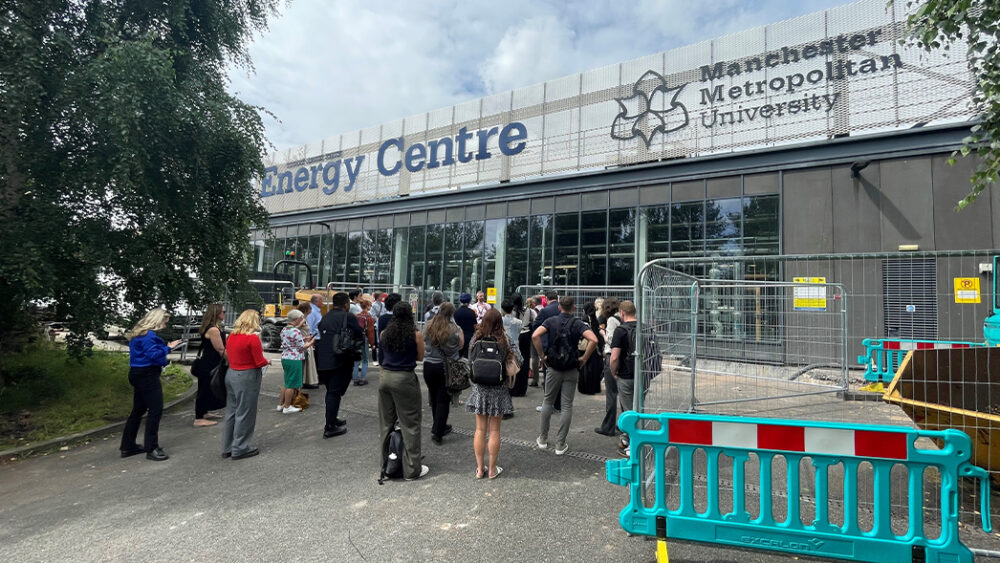
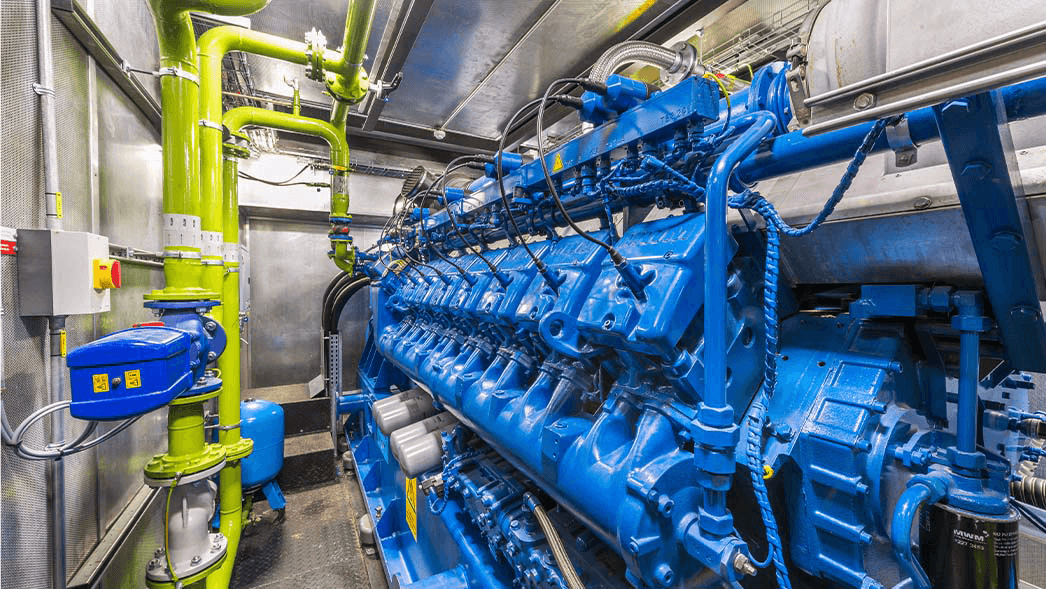
The CQHN was developed to create a resilient, city-centre energy network capable of serving Manchester’s most prominent public buildings with lower-carbon heat and power. The scheme comprises a 2km district heating network connected to an energy centre housing a 3.3MWe CHP engine and two 12MW gas boilers.

Together, these assets provide a highly efficient source of energy for key landmarks including Manchester Town Hall, Manchester Town Hall Extension, Central Library, Manchester Central Convention Centre, The Bridgewater Hall, Heron House and Manchester Art Gallery.


Vital solution

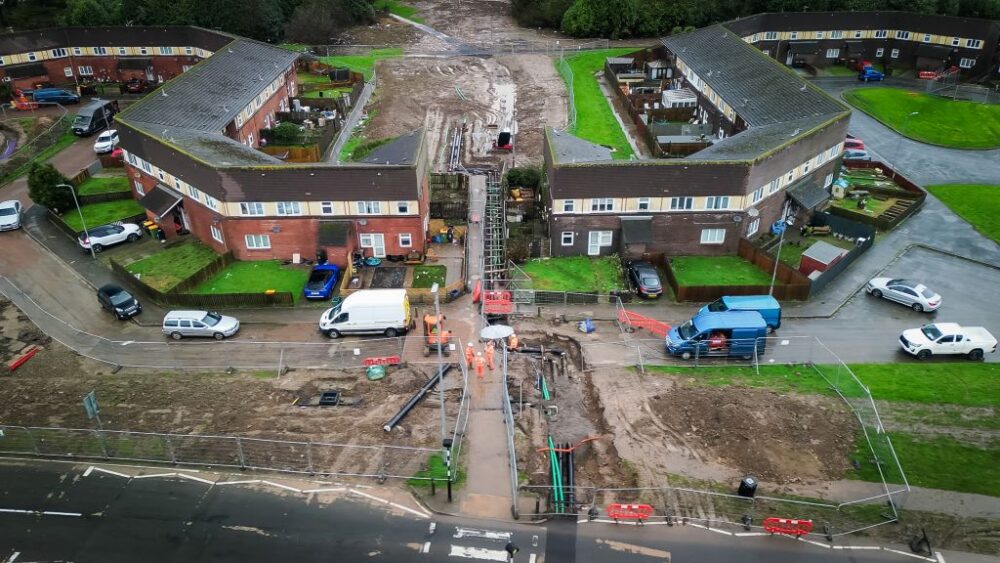
We delivered the complete design and construction of the energy centre, district heating, high-voltage and communications networks, creating a future-proof energy infrastructure for Manchester's civic quarter. Throughout construction, we worked closely with the Council's highways department to manage installation works and minimise disruption to residents, local businesses and commuters within the city centre.

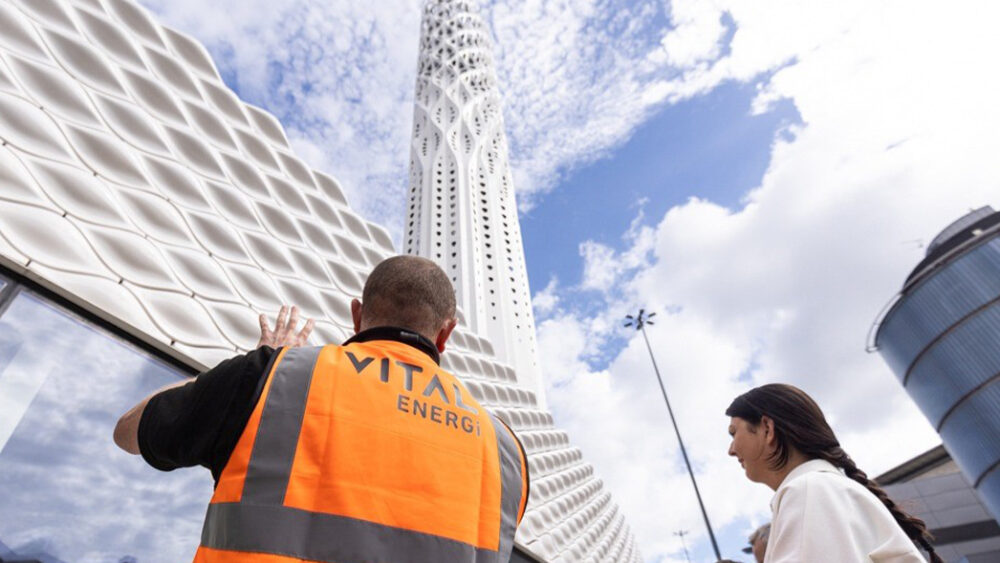
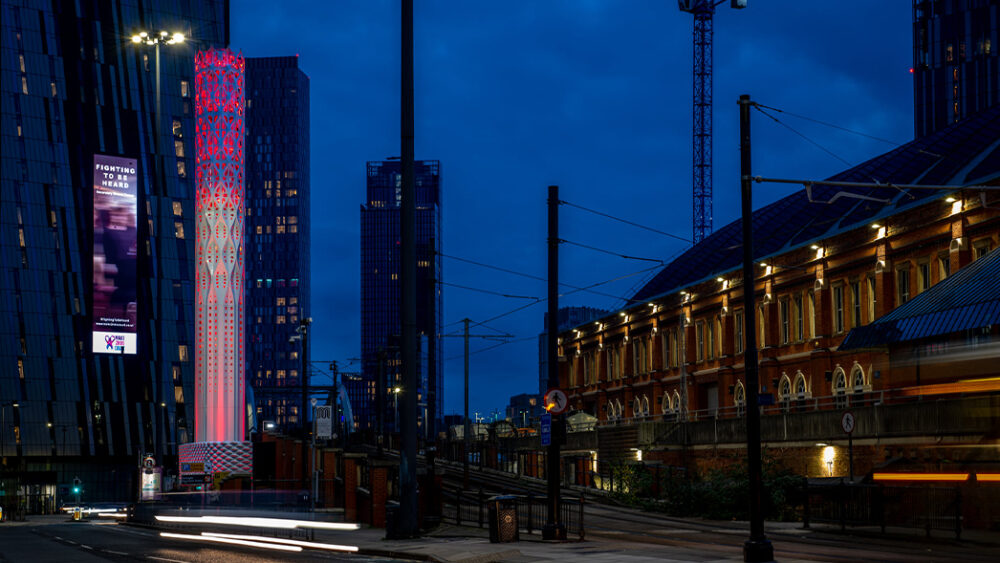
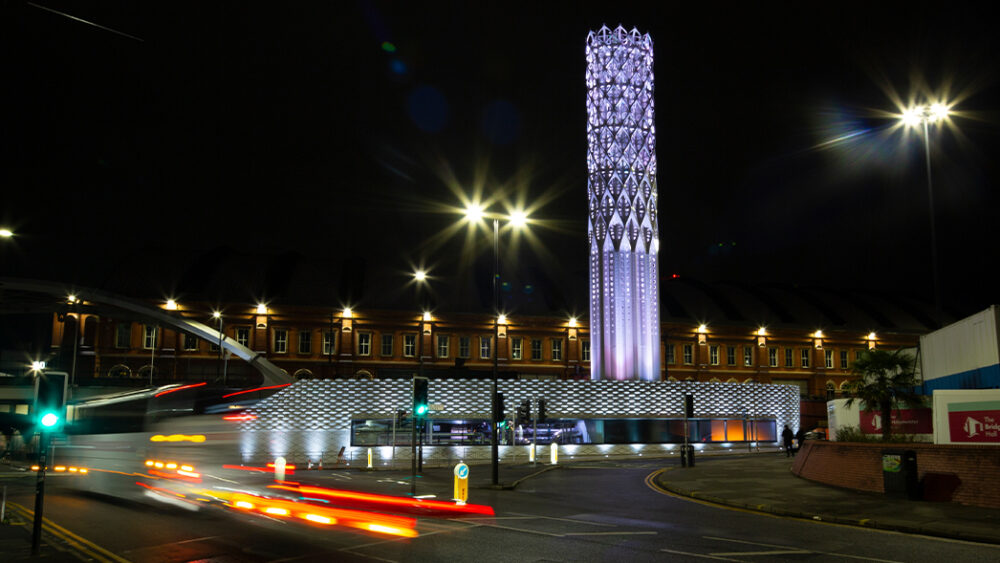
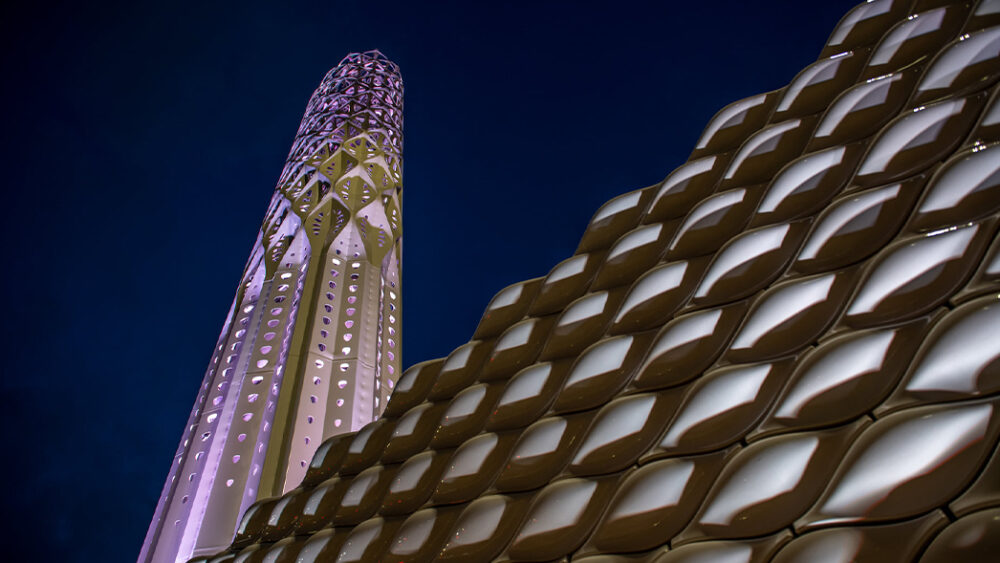
A defining feature of the scheme is the energy centre's 40-metre dispersion flue, known as the Tower of Light. To ensure the structure would make a positive contribution to Manchester's skyline, the Council held a design competition involving four leading UK architectural practices. Working closely with the Council, we helped deliver the winning design by award-winning architects Tonkin Liu, transforming a functional piece of energy infrastructure into a striking civic landmark. During the day, polished steel reflectors capture sunlight, while at night integrated lighting creates dynamic visual effects, making the structure both an engineering asset and public artwork.

Designed for future expansion

The network was initially designed to serve seven major civic buildings but was engineered with future expansion in mind. The energy centre has capacity for additional equipment and can accommodate alternative renewable technologies as they become available, ensuring the network remains flexible and capable of supporting Manchester’s evolving decarbonisation strategy.  


Key benefits

Performing value engineering to identify efficiency improvements

Manchester has set ambitious climate goals, aiming to become zero carbon, zero waste and climate resilient by 2038 – 12 years ahead of the countrywide target. Through the completion of this project, we have enabled several of Manchester City Council’s clean energy objectives including:

– To deliver carbon reductions
– To improve air quality through a reduction of carbon and nitrous emissions
– To provide a more resilient heat supply
– To create a system with power resilience equal to grid supply and that can be replicated across
Manchester

Building a future-proof infrastructure

The network has been designed with the ability to grow and connect additional buildings in the future. The initial phase of the project was designed to be future-proofed and facilitate ease of expansion as the network expands throughout Manchester. The first phase created this infrastructure which is now scalable and capable of meeting the needs of future phases.

It has the ability to add new energy generation and storage technologies over time with no disruption to the customers’ supply. There is also space available for additional equipment to cater for a larger demand from future connections.

Managing stakeholder engagement

We proactively coordinated and managed stakeholder engagement with external partners and businesses to provide a seamless operation and create local community benefits. Examples of this include:

– Local stakeholder engagement to communicate the works taking place and educate on the
citywide benefits the scheme will bring
– Local supply chain engagement
– Recycling spend in the local community

Leaflets were produced which detailed the route and timescales of work taking place. This allowed the local community to plan in advance their daily commutes and manage any disruptions due to traffic management.

Social value contributions

We were committed to supporting the local community and economy during the project, employing 22 staff, including four apprentices and one graduate from Manchester. Throughout this time, 19% of the project value was spent with local contractors and through various fundraising efforts, managed to donate in excess of £15,000 to The Christie NHS Foundation, a leading cancer treatment facility in the area

To avoid unnecessary disruption, we took strategic measures to ensure minimal closure of public spaces and that noise was kept to a minimum by utilising attenuation equipment on construction apparatus. We also ensured that all materials were stored safely overnight. This will be continued when the energy centre opens, with noise studies being undertaken in the vicinity and mitigation measures being put in place to align with local authority standards.
Got a similar project?

Lorem ipsum dolor sit amet, consectetur adipiscing elit, sed do eiusmod tempor incididunt ut labore et dolore magna aliqua. Ut enim ad minim veniam, quis nostrud exercitation ullamco laboris nisi ut aliquip ex ea commodo consequat.

Download the Case Study

Talk to us about your project

Contact Form